
Inclusive Childcare in Richmond, BC: How SSOCC Supports Children with Diverse Needs
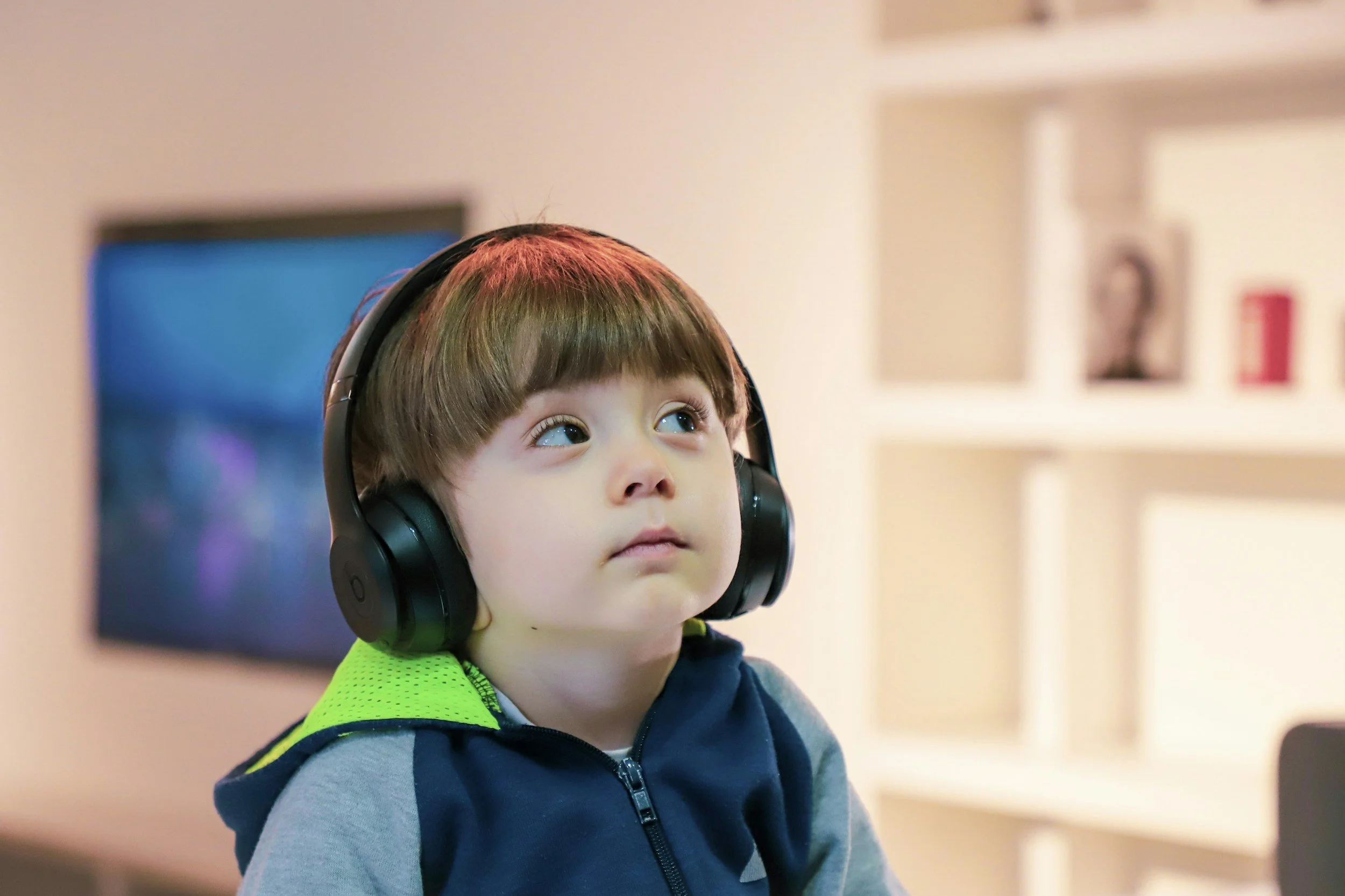
Psychologist Dr. Ross Greene, the founder of Lives in the Balance (Collaborative Problem Solving) has a line we keep coming back to: "All children do well when they can." It's simple, but it changes everything about how you see a struggling child. Instead of asking what's wrong with this kid?, you start asking what does this kid need so that they can do well?”
Every child needs support sometimes. And every family deserves a clear path through BC's often-confusing landscape of childcare funding and services for children with additional support needs — without having to figure it out alone.
What does inclusive childcare actually mean?
It's more than letting every child enrol. Truly inclusive childcare means designing classrooms, training educators, and partnering with families so that all children — including those with developmental delays, autism, anxiety, ADHD, complex medical needs, or trauma histories — can participate, learn, and feel like they belong.
A program that does this well tends to do three things: work with families to screen children proactively so supports can be put in place early, plan individually so each child gets what they actually need, and navigate funding systems so families aren't left to sort it out on their own.
How we screen for developmental needs: ASQ and ASQ-SE
Every child at SSOCC is regularly screened using the Ages and Stages Questionnaire (ASQ) and the ASQ Social-Emotional (ASQ-SE). These are evidence-based, parent-completed tools that look at development across communication, motor skills, problem-solving, and social-emotional domains.
Screening isn't a diagnosis. It's a way of noticing early signs that a child might benefit from additional support — before small challenges become bigger ones.
When the ASQ / ASQ-SE suggest that additional support is needed in a particular developmental area, there are many steps that can be taken. For some children, that means continued observation and providing specific learning opportunities to help development in that area. For others, it's the beginning of a path toward assessment, diagnosis and intervention.
Individualized care plans
When a child needs more support, our educators work with the family to build an individualized care plan — a documented agreement that names the specific supports a child needs, the goals everyone is working toward, and how staff will respond in challenging moments.
The best care plans are living documents. They get updated as a child grows, and they're shared with everyone involved — family, classroom educators, therapists, behaviour interventionists, doctors.
Supported Child Care and PACE
BC has two key programs that fund additional staffing and consultation for children with extra support needs in childcare.
Supported Child Care (SCD) is a provincially funded program that assigns a consultant to families and programs. SCD can provide consultation, training, and in some cases funding for additional staffing — all aimed at helping children participate fully in licensed childcare. In Richmond, this is provided through ASPIRE.
PACE is a community-based agency offering supported childcare consultation in the Lower Mainland. It works alongside SCD and is often a strong first contact for families just starting to navigate the system.
SSOCC helps families connect with both programs, advocates alongside consultants, and integrates their recommendations into classroom practice. This helps ensure a child’s care plan is as comprehensive as possible; it also ensures that all the boxes are checked so that if additional funding for a one:one support aide if required, families have the best possible chance of receiving funding.
Autism Funding Unit (AFU)
As an approved AFU provider, SSOCC is able to bill support hours to the Autism Funding Unit. Frustratingly, individualized funding through AFU has been terminated in BC as of March 2027.
As of now, the government has not announced any additional supports or funding that families can access to receive 1:1 support in child care programs.
Our Inclusion Coordinator
SSOCC employs a part-time Inclusion Coordinator, funded through an annual BC Gaming grant. The Inclusion Coordinator supports our educators in implementing care plans, communicates with external professionals, and helps maintain consistent inclusion practice across all SSOCC sites.
This matters more than it might sound. Many programs our size don't have a dedicated coordinator at all. This role ensures our families receive early feedback, quick referrals and are ready to have assessments completed if required. Early diagnosis is vital when considering interventions and supports for children - the earlier, the better the outcome for the child.
What inclusion looks like day-to-day in a Reggio classroom
A Reggio-inspired environment is, in many ways, naturally suited to inclusion. The philosophy is built on the idea that children have a hundred languages — a hundred ways of expressing and understanding the world. That means children who are pre-verbal, multilingual, or who process differently are already met where they are. Long projects let children work at their own pace. Mixed-age groupings allow children to find peers who fit their developmental level, not just their birthday.
In practice, you'd see things like:
Visual schedules for children who benefit from predictability
Calm-down spaces with sensory tools available to every child
Educator language that names and validates feelings before redirecting behaviour
Multiple ways to communicate — words, pictures, sign, gesture
Multiple "right" ways to participate in any given activity
Educators who read behaviour as communication, not defiance
Should you share your child's diagnosis with us?
Yes. Please.
Some families come to us with a diagnosis already in hand. Others have a feeling they haven't yet put into words. Either way — tell us what you know, as soon as you know, even tentatively. It gives us the chance to plan support, request the right consultation, and welcome your child fully from day one.
We don't use information about your child's needs to decide whether they belong at SSOCC. We use it to ensure your child has the appropriate amount of support so that they can be safe and included in the program.
Common questions
Does SSOCC accept children with autism, ADHD, or developmental delays? Yes. Inclusion is central to our practice, not an add-on. We work with families, SCD, PACE, AFU, and external professionals to support each child.
What's the difference between Supported Child Care and PACE? SCD is the provincial umbrella program and can provide funding for individualized support as well as consultation services; PACE is one of the community agencies that delivers supported child development services in our region. Most families work with both.
Can I use Autism Funding Unit (AFU) money at SSOCC? Yes, we can bill AFU directly for a BI for AFU approved families who are not yet receiving Supported Child Care, where applicable. Please note the AFU program ends March 2027.
Do I need a diagnosis to access support? No. Screening, care plans, and SCD consultation don't require a diagnosis to get started. All children require some support some of the time - a diagnosis just makes the reasons support is needed slightly more clear.
How does inclusion work in school-aged care? Sandpiper and Heron School-Aged Care follow the same practices — care plans, BI involvement where relevant, and educators trained to support diverse learners. Funding through ASPIRE (Supported Child Care) is rarely available, with lengthy waitlists. For children requiring 1:1 support in school-age care, parents may have to individually fund or provide a support aide / BI.
Let's talk about your child
If inclusion is on your mind — for any reason — we'd love to hear from you. Reach our registrar at registration@ssocc.ca and ask to be connected with the Inclusion Coordinator. Every conversation is confidential, and there's no commitment required to ask questions.
