
What to Pack for a Nature-Based Daycare in BC: The Complete Gear Guide
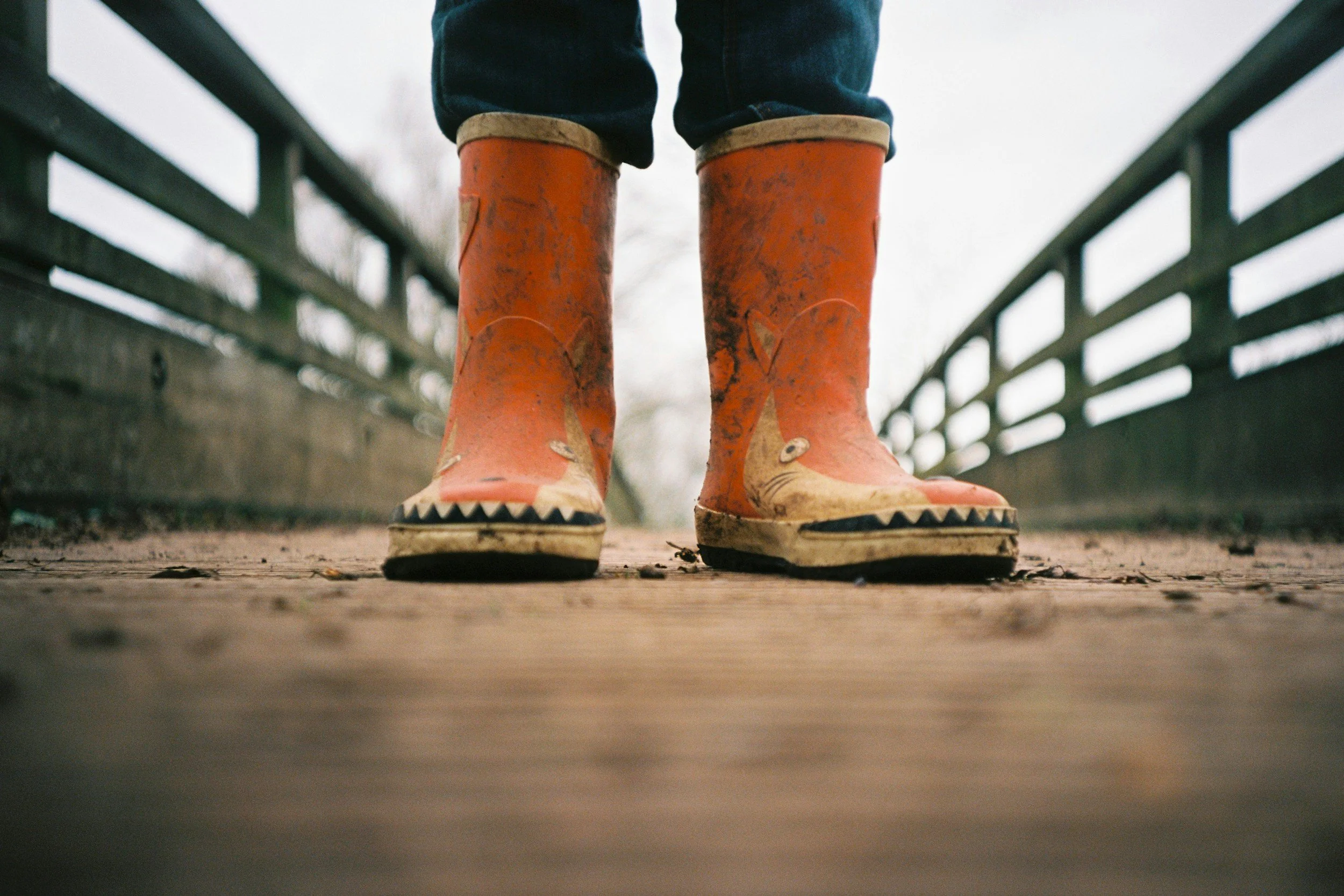
Nature-based daycare in the Lower Mainland is wonderful for children. It is also a logistical reality that requires real gear. The first wet October at a Richmond preschool teaches families fast: water-resistant is not waterproof, and "they'll be fine in their hoodie" is not actually true.
This is the gear guide we offer every SSOCC family on day one. It covers what to buy, what to skip, and how to keep a child dressed for BC weather without losing your mind.
The non-negotiable list
These are the items every child in a nature-based or outdoor-heavy program needs from day one:
Waterproof rain jacket with a hood (not just water-resistant)
Waterproof rain pants with adjustable suspenders if possible
Rubber boots that fit well, with warm liners for cold months
Indoor shoes that stay at the program
Layers — long-sleeve shirts, fleece or wool sweaters, leggings or pants
A warm hat and mittens for cool/cold months
A sun hat for spring through fall
A complete change of clothes stored at the program (multiple sets when potty training)
A spare pair of socks (more often than you'd think)
A labelled water bottle
A backpack for daily transport
Yes, that's a lot. But once you have it, daily life gets dramatically easier — and most of it lasts at least two years before being outgrown.
What "waterproof" actually means
This is the single most common gear mistake families make.
Rain jackets and rain pants come in three loose categories:
Water-resistant — keeps light moisture off briefly. Inadequate for BC weather.
Waterproof, low-breathability — keeps water out, but a child sweating inside it gets wet from inside. Adequate for short trips.
Waterproof, breathable — keeps water out, lets sweat escape. Ideal for daily outdoor play.
A waterproof rating of 5,000mm or higher is reasonable for kids' rain gear; 10,000mm+ is excellent. Most BC outdoor specialty brands publish these ratings.
Brands that work consistently for Richmond and Vancouver families include MEC, Abeko, Isbjorn, Reima and Oakiwear. We're not endorsing any specific brand — but teachers can show you examples of what works to keep a child dry in a rain storm… and what will lead to a wet child.
Boots that actually fit
Boots are where it falls apart fastest. Too-small boots make outdoor time miserable. Too-big boots cause tripping and lost footwear in mud.
A few tips:
Size up by half a size so a wool sock or boot liner can fit inside.
Try with the actual sock the child will wear. Cotton is not warm enough for BC winter days.
Bogs, Stonz, Kamik, and Kuoma all hold up well across BC winter. Bogs in particular will have winter options good for -20 degree weather.
Layering for BC weather
The Lower Mainland's signature weather pattern — wet, cold-but-not-freezing mornings warming up to mild afternoons — is hard on a one-size outfit. Layering solves it.
A reliable layer system for cool, wet days:
Base layer: long-sleeve cotton or merino shirt + leggings/long underwear
Mid layer: fleece or wool sweater + warm pants
Outer layer: waterproof rain jacket and pants
Feet: warm sock + lined rubber boot
Hands and head: warm mittens, warm hat
On a milder day, the mid layer comes off. On a very cold day, an additional fleece vest goes in.
For summer days, a single layer plus sun hat and sunscreen is usually enough — but always send a long-sleeve shirt in the backpack for cool spots or when we are in the forest with mosquitoes.
What you don't need
Some things families buy out of habit that you can usually skip:
A second waterproof jacket "just for spares." One good one and a fleece for backup is plenty.
Brand-new outdoor brands. Used gear from Facebook Marketplace, MEC consignment, or local swap groups is fine — and a third the price.
Insulated mittens for spring/fall. Warm fleece mittens are warmer for spring/fall than waterproof outer mittens with no insulation.
Crocs for outdoor wear. They get cold, wet, and slippery fast.
Indoor shoes
Most programs ask for indoor shoes that stay at the program — usually a pair of soft, easy-on slippers, runners, or moccasins. They keep the classroom clean and let children move freely indoors.
What works well:
Velcro runners that the child can put on themselves
Soft-soled slippers with a non-slip bottom
Moccasins for older children who can manage them
What doesn't work:
Crocs (slip off too easily)
Lace-up runners (children can't manage them independently)
Flimsy slip-ons (no support for active children)
Labelling — this matters more than you'd think
A nature-based daycare classroom moves through 12-25 children, each with rain gear, indoor shoes, hats, mittens, and a spare set of clothes. Without labels, things vanish — or worse, end up on the wrong child.
We recommend:
Iron-on or sew-on name labels on jackets, rain pants, hats, mittens
Permanent marker inside boots and shoes
Pre-printed waterproof labels (Mabel's Labels and similar) on water bottles, lunch containers, backpacks
One method, used consistently for the whole gear collection
Wash and dry routines that work
Outdoor gear gets muddy. The trick is having a rhythm:
Rinse rain gear in the bathtub or shower after a muddy day — it doesn't always need a wash.
Air-dry rather than tumble-dry to extend the life of waterproof coatings.
Re-waterproof annually with a wash-in or spray-on treatment (Nikwax is the most common).
Have two sets of mittens so one can dry while the other is in use.
What a typical SSOCC family pack looks like
A child enrolled at Heron Toddlers or Northriver Junior Kindergarten typically arrives each day with:
The clothes they're wearing
Their backpack containing: a spare set of clothes, spare socks, water bottle, lunch, snacks (if not provided), hat (sun or warm depending on season)
Their rain jacket and pants if it's wet, or in the backpack if it might rain
Their boots on, indoor shoes inside the cubby at the program
Mittens and warm hat in the backpack from October to April
Onboarding new families includes a more detailed gear list for the specific program. We do not expect families to figure this out alone.
Common questions
Where can I find affordable rain gear in Richmond? MEC, Sport Chek, and Canadian Tire all carry mid-range options. Used gear groups on Facebook Marketplace and local consignment shops often have nearly-new items for a fraction of retail. Some Richmond community organizations also run free gear swaps in the fall. Mommypow often sells Abeko or Isbjorn at a good discounted rate.
What do I do if my child outgrows boots mid-season? This happens with toddlers and preschoolers. Used pairs from gear swaps are an inexpensive bridge. Always have a backup if a current pair is getting tight.
Does the program have spare gear for kids who forget something? No, unfortunately parents are responsible for providing all outdoor gear.
Is there a recommended brand? No — we don't endorse specific brands. What matters is whether the gear is genuinely waterproof, fits, and is labelled.
What if it's pouring rain — does my child still go outside? Yes. SSOCC programs go out in light to moderate rain. Exceptions are extreme weather, air quality advisories, or genuinely unsafe conditions.
Visit a program in any weather
Email registration@ssocc.ca to book a tour at Heron Toddlers, Heron JK, Northriver JK, Southlands, or one of our school-aged programs.
